

If you've ever climbed into your attic on a summer afternoon and felt like you'd stepped into an oven, you've experienced firsthand what poor attic ventilation looks like. It's one of the most misunderstood parts of a home's roofing system, and in Atlanta's climate, it's also one of the most important. Ventilation doesn't just affect comfort. It plays a direct role in how long your shingles last, how well your insulation performs, and how much moisture builds up in your home over time.
What Attic Ventilation Actually Does
Attic ventilation is designed to move air continuously through the attic space, pulling in cooler air at the lower edges of the roof and pushing hot, moist air out near the peak. This constant airflow keeps attic temperatures closer to the outdoor temperature instead of letting heat build up under the roof deck.
A properly ventilated attic typically relies on a balance of two components:
- Intake vents, usually located at the soffits or eaves, which pull in fresh outside air
- Exhaust vents, such as ridge vents, gable vents, or roof-mounted vents, which allow hot air to escape near the top of the attic
When these two systems are balanced, air flows continuously through the space. When they're not, either from blocked soffits, insufficient exhaust venting, or attic insulation installed over intake vents, the whole system stalls.
Why This Matters More in Atlanta's Climate
Georgia summers put attic ventilation to the test. As we've covered in past posts on roof blistering and heat damage, shingle surface temperatures can climb well past the outdoor air temperature on a sunny afternoon. Without proper airflow to carry that heat out of the attic, it radiates downward into your living space and puts sustained stress on the underside of your roof deck and shingles.
The problem isn't limited to summer, either. During Georgia's cooler, wetter months, a poorly ventilated attic can trap humidity, leading to condensation on the underside of the roof deck. Over time, that moisture can contribute to wood rot, mold growth, and reduced insulation performance, all of which are more expensive to fix than the ventilation issue that caused them.
Signs Your Attic Isn't Ventilating Properly
Ventilation problems tend to show up gradually, and homeowners often chalk up the symptoms to something else. Common warning signs include:
- Excessive attic heat that feels far hotter than the outside temperature
- Higher-than-expected cooling bills, especially if you've already addressed insulation
- Curling, cracking, or blistering shingles, particularly on south- and west-facing roof slopes
- Musty odors or visible mold in the attic space
- Ice damming in winter, which in Georgia usually shows up as isolated icicles or water staining near the eaves after a cold snap
- Rusty nails or damp insulation when you inspect the attic directly
If any of these sound familiar, it's worth having a professional take a look before the next extreme weather swing, whether that's a summer heat wave or a winter cold snap.
How Ventilation and Insulation Work Together
We touched on this in our recent post on roof insulation, and it's worth repeating: ventilation and insulation are partners, not substitutes for one another. Insulation slows heat transfer into your living space, while ventilation removes the heat and moisture that build up in the attic itself. A well-insulated attic with poor airflow can still trap heat and humidity against the roof deck, and a well-ventilated attic with inadequate insulation still lets heat pour into the rooms below.
The National Roofing Contractors Association's guidelines for attic ventilation outline how building codes and industry best practices approach this balance, including recommended ratios of intake to exhaust ventilation for different attic configurations. Getting that balance right is typically a job for a professional, since factors like attic volume, roof slope, and existing insulation all affect how much ventilation your specific roof needs.
Common Ventilation Types for Atlanta Homes
Depending on your roof's design, one or more of the following ventilation methods may be used:
- Ridge vents - installed along the peak of the roof for continuous exhaust airflow
- Soffit vents - installed under the eaves to provide steady intake airflow
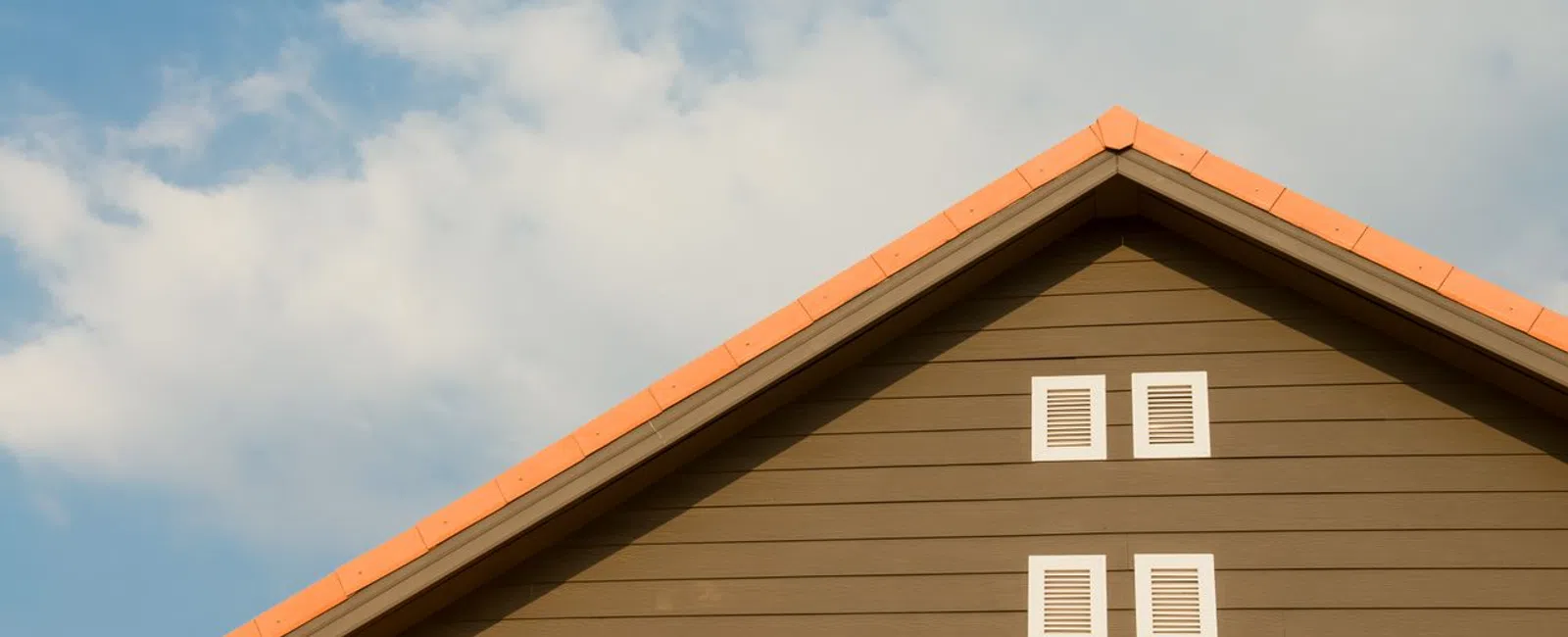
- Gable vents - placed on the exterior walls of the attic, often paired with other vent types
- Static or box vents - individual vents installed across the roof surface
- Powered attic fans - mechanically assisted ventilation for attics that need extra airflow
Not every home needs every type, and mixing certain systems, like combining ridge vents with powered fans, can actually work against proper airflow rather than improving it. This is another reason a professional assessment matters more than a one-size-fits-all fix.
Let Us Take a Look at Your Attic
Ventilation issues are easy to miss from the ground and easy to underestimate until they've already caused shingle damage, higher energy bills, or moisture problems. At Tom and Jerry's Roofing, our attic vent installation and repair services start with an honest assessment of how your current system is performing, not a sales pitch. If your attic needs additional intake, better-balanced exhaust, or a full ventilation upgrade, we'll walk you through the options and let you decide what makes sense for your home and budget.
Frequently Asked Questions
How can I tell if my attic has enough ventilation?
Signs of inadequate ventilation include an attic that feels excessively hot, higher summer cooling bills, curling or blistering shingles, and musty odors or visible moisture in the attic space. A roofing professional can measure your current ventilation against recommended ratios for your attic's size.
Does attic ventilation help in winter, not just summer?
Yes. In colder months, ventilation helps prevent condensation and moisture buildup under the roof deck, which can otherwise lead to wood rot, mold, or ice damming along the eaves.
Can I add more roof vents on my own, or should I hire a professional?
While some vent types are simple to install, proper attic ventilation depends on a balanced ratio of intake to exhaust airflow across the entire roof. Adding vents without accounting for that balance can sometimes make ventilation worse, so it's best to have a professional evaluate your attic before making changes.