
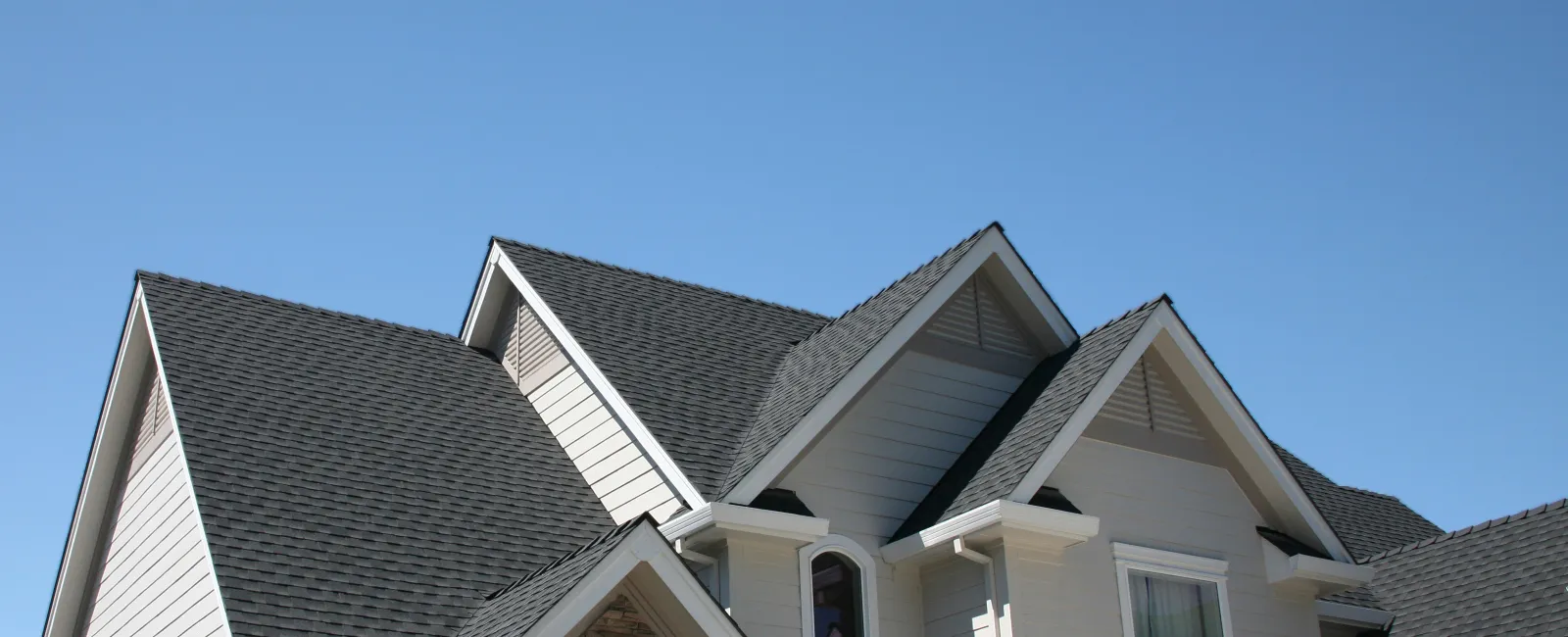
Drive through any neighborhood in Woodstock, Marietta, or Canton on a July afternoon and you'll notice something: some roofs look like they're radiating heat you can practically see, while others seem to shrug it off. Part of that comes down to material and ventilation, both of which we've covered in past posts.
But there's a simpler factor that homeowners often overlook entirely when picking out a new roof: shingle color.
Color isn't just about matching your siding or satisfying your HOA. It has a real, measurable effect on how hot your roof deck gets on a 95-degree Georgia afternoon, which ties directly into the heat stress issues, insulation performance, and attic ventilation we've already discussed for Atlanta homes.
How Shingle Color Affects Roof Temperature
Every roofing material has a solar reflectance rating, essentially a measure of how much sunlight it bounces away rather than absorbs as heat. Darker shingles absorb more solar energy and convert it into heat at the roof surface, while lighter shingles reflect a larger share of that energy back into the atmosphere.
On a sunny Georgia afternoon, the difference can be substantial. Light-colored roofing materials typically reflect a much larger share of incoming sunlight than dark materials do, which translates directly into lower surface temperatures on the hottest days of the year.
That surface temperature matters for more than comfort. It's the same heat buildup that contributes to the shingle blistering we covered in an earlier post, and it puts additional strain on an attic system that's already working to manage heat through insulation and ventilation.
Light vs. Dark Shingles: The Trade-Offs
- Lighter shingles (light gray, tan, weathered wood tones) reflect more sunlight, run cooler at the surface, and can ease the load on your attic ventilation and air conditioning during peak summer months.
- Darker shingles (charcoal, black, dark brown) absorb more heat, which can accelerate the expansion and contraction cycle that leads to premature wear, but many homeowners prefer the look, and darker shades often hide streaking and debris better over time.
- Style and resale value matter too. In some Atlanta neighborhoods and HOA communities, certain color palettes are required or strongly preferred regardless of their reflectance properties.
"Cool Color" Shingles: The Best of Both Worlds
For homeowners who want a darker aesthetic without giving up performance, manufacturers have developed reflective granule technology that allows dark-colored shingles to reflect more solar energy than a traditional dark shingle would. The National Roofing Contractors Association has documented this approach, noting that specially engineered granules can give vivid, dark-colored shingles solar reflective properties similar to much lighter products, allowing homeowners to keep the look they want without fully sacrificing energy performance.
You can read more about the engineering behind reflective shingle granules on NRCA.net.
How Much Does Color Actually Save You?
It's fair to ask whether shingle color is worth factoring into a roofing decision at all, or whether it's a minor detail next to bigger factors like insulation and ventilation. The honest answer is that color is a supporting player, not the star. Reflective research from organizations like the U.S. Department of Energy has found that light-colored roofing materials can run tens of degrees cooler at the surface than dark materials on the same sunny afternoon, which can translate into modest reductions in attic heat gain and cooling costs, especially on homes with south- or west-facing roof slopes that see hours of direct sun each day.
For most Atlanta homeowners, shingle color works best as one part of a broader heat-management strategy rather than a stand-alone fix. A lighter or cool-color shingle paired with balanced attic ventilation and adequate insulation will outperform any single change made on its own, which is exactly why we've treated blistering, insulation, ventilation, and now color as pieces of the same picture rather than separate problems.
What to Weigh Before You Decide
- Your roof's sun exposure. South- and west-facing slopes take the brunt of Georgia's afternoon sun and benefit most from a cooler-running shingle.
- Whether your attic already runs hot. If ventilation or insulation upgrades aren't in the budget this year, a lighter or cool-color shingle can help offset some of that heat load.
- HOA and neighborhood guidelines, which are common throughout Cherokee County and the broader metro area.
- Long-term maintenance. Darker shingles can show granule loss and fading differently than lighter ones as they age.
We'll Help You Weigh the Options
Shingle color is one of the few roofing decisions that's genuinely about balancing looks and performance, and there's no single right answer for every home. When you're ready to talk through options for your roof, our team can walk you through samples and explain how each choice holds up in Georgia's climate as part of our residential roofing services, with no pressure and no upsell.
Frequently Asked Questions
Does shingle color really make a noticeable difference in roof temperature?
Yes. Lighter shingles reflect more sunlight and run cooler at the surface than darker shingles under the same conditions, which can reduce the amount of heat transferred into the attic on sunny days.
Will a dark roof shorten the life of my shingles in Atlanta's climate?
Dark shingles absorb more heat and go through more expansion and contraction than lighter ones, which can contribute to faster wear over time. Cool-color dark shingles with reflective granules are designed to reduce this effect while keeping a darker appearance.
Can I choose a dark shingle color and still keep my energy bills reasonable?
Often, yes. Cool-color shingle technology and good attic insulation and ventilation can offset much of the extra heat absorption from a darker shingle, though a roofing professional can help you weigh the specific trade-offs for your home.