
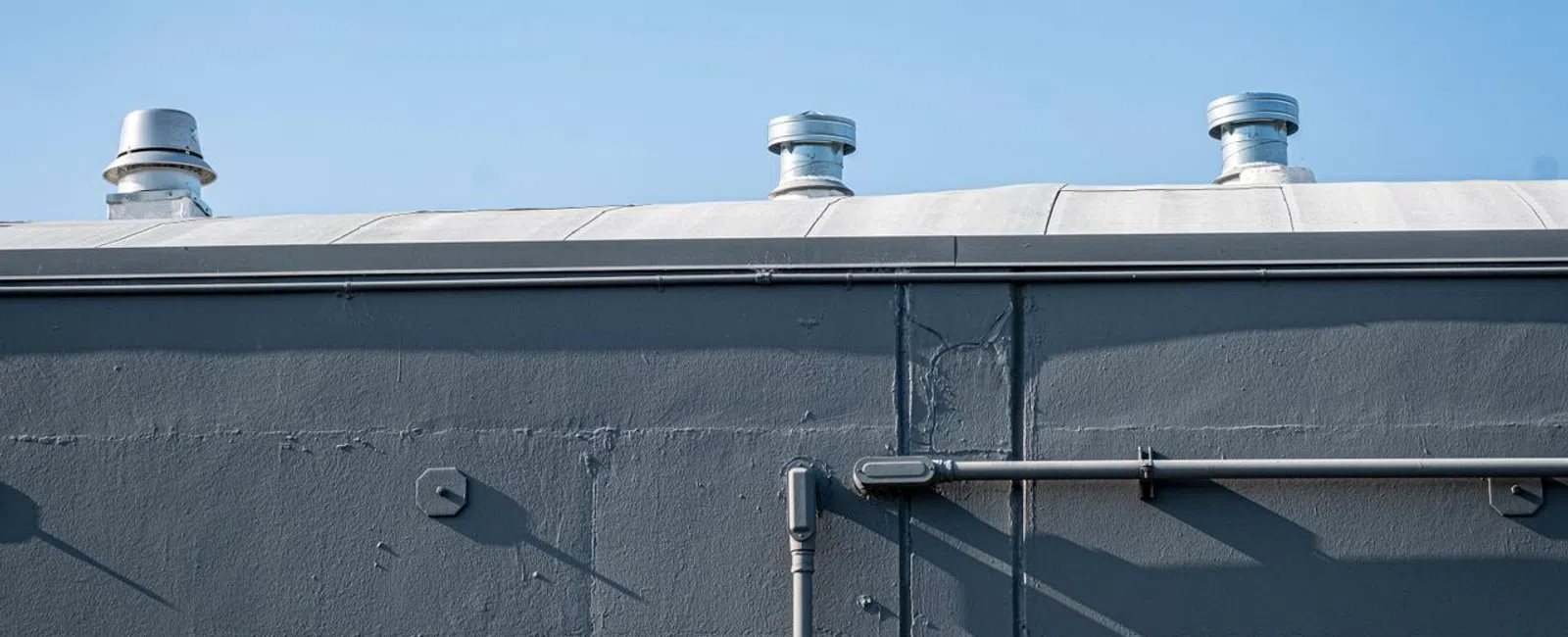
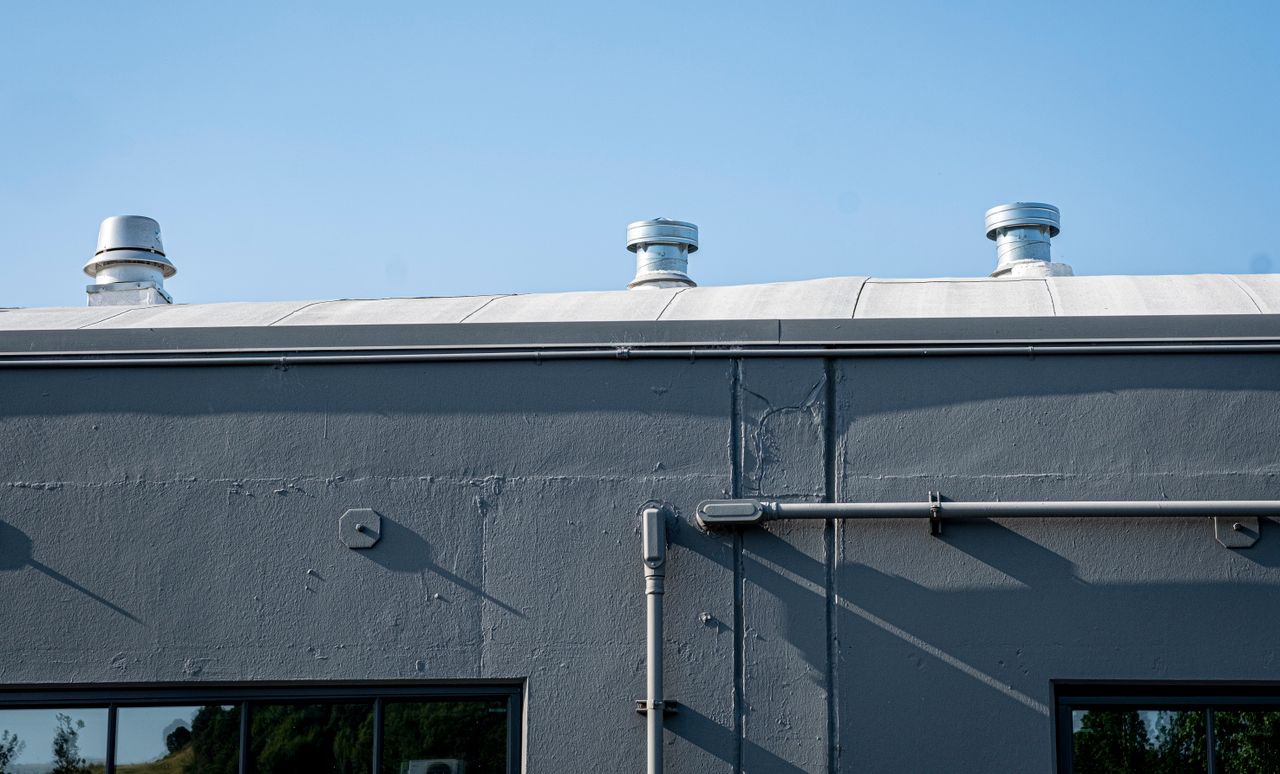
Your commercial roof works harder than most people realize. It's covering more square footage than a typical home, supporting HVAC units and rooftop equipment, and managing drainage across a mostly flat or low-slope surface that doesn't shed water the way a pitched residential roof does. In Metro Atlanta's mix of intense summer heat, heavy rain, and the occasional winter freeze, that combination adds up fast. A proactive maintenance plan is what stands between routine upkeep and an expensive, disruptive emergency.
Why Commercial Roofs Age Differently Than Residential Ones
Most commercial buildings use low-slope or flat roofing systems—TPO, EPDM, modified bitumen, or built-up roofing—rather than shingles. These systems rely on membranes and seams to stay watertight, and because the roof is flat, water doesn't run off as quickly as it does on a pitched residential roof. That makes drainage, seam integrity, and flashing around rooftop equipment far more important on a commercial building than they are on a house.
Foot traffic from HVAC servicing, rooftop units that expand and contract with temperature swings, and large surface areas exposed to UV and storm damage all put unique stress on commercial roofing systems. Left unaddressed, small issues in these areas don't stay small for long.
Metro Atlanta's climate adds its own wear pattern on top of that. Long, humid summers mean membrane surfaces spend months absorbing heat and UV exposure, which accelerates the natural aging of the material. Sudden, heavy downpours—common through spring and summer storm season—put drainage systems to the test, and any low spot or clogged scupper shows up quickly as standing water. Add in the occasional winter freeze, and a commercial roof here is cycling through more thermal expansion and contraction than a lot of building owners expect.
What a Preventive Maintenance Plan Actually Covers
The National Roofing Contractors Association (NRCA) recommends commercial roofs be professionally inspected at least twice a year—typically in spring and fall—with additional inspections after any severe storm. A thorough inspection generally checks:
- Membrane condition. Looking for punctures, blistering, cracking, or open seams across the roof surface.
- Drainage. Confirming roof drains and scuppers are clear and that water isn't pooling anywhere for more than a day or two after rain.
- Flashing and penetrations. Checking the seals around HVAC curbs, vent pipes, skylights, and where the roof meets parapet walls—these transition points are where most commercial roof leaks originate.
- General debris and organic growth. Clearing leaves, branches, and any algae or moss buildup that can trap moisture against the membrane.
Routine maintenance following this kind of schedule is one of the biggest factors in how long a commercial roof lasts. A roof that's regularly inspected and maintained tends to significantly outlast one where problems are only addressed after they become visible leaks—and by then, the underlying damage is often more extensive than what's showing up inside the building.
The Business Case for Staying Ahead of It
For a business owner, a roof problem is rarely just a roof problem. A leak over inventory, office space, or production equipment creates downtime and disruption on top of the repair itself. Commercial roof warranties also frequently require documented, regular maintenance to stay valid—meaning a skipped inspection schedule can cost you warranty coverage even before it costs you a repair.
Preventive maintenance shifts the entire equation. Instead of reacting to a leak that's already caused interior damage, you're catching a cracked seam or a clogged drain while it's still an easy fix. That's the difference between a scheduled service call and an emergency one.
Building a Maintenance Routine That Works
A solid commercial roof maintenance plan typically includes:
- Biannual professional inspections: spring, to catch what a hard winter or algae growth may have caused, and fall, to prepare the roof for weather ahead.
- Post-storm assessments: a quick check after significant wind, hail, or heavy rain events, since damage isn't always visible from the ground.
- Ongoing drainage checks: especially during Georgia's heaviest rain months, when clogged drains and scuppers create standing water fast.
- Documentation: keeping a record of every inspection and repair, both for your own planning and to satisfy manufacturer warranty requirements.
- A single point of contact: working with one roofing contractor who knows your building's roof system, rather than starting from scratch with a new inspector every time.
Frequently Asked Questions
How often should a commercial roof be inspected?
At minimum, twice a year—typically spring and fall—plus an additional check after any major storm. Buildings with rooftop HVAC units or heavy foot traffic from other trades may benefit from more frequent visual checks in between.
What's the most common cause of commercial roof leaks?
Flashing and seams around penetrations—HVAC curbs, vent pipes, and parapet walls—are where the large majority of commercial roof leaks start, rather than the open field of the roof itself.
Can maintenance really extend the life of a commercial roof?
Yes. Consistent inspection and upkeep address small issues, like a lifting seam or a clogged drain, before they turn into structural or interior damage, which is a major factor in how long a roof system ultimately lasts.
Protect Your Business With a Proactive Roofing Partner
Tom and Jerry's Roofing has spent decades serving both residential and commercial property owners across Metro Atlanta, and we know that a business roof needs a different approach than a house.
Whether you need a commercial roofing inspection to get ahead of the season or want to put a maintenance routine in place for the first time, our team can walk your roof and give you a clear, honest picture of what it needs.
Schedule a commercial roof inspection with Tom and Jerry's Roofing and keep small issues from becoming big ones.