
Metro Atlanta's logistics and industrial corridor has grown steadily along I-75, I-85, and the connector routes through Cherokee and Cobb counties, and with it, the number of large-scale warehouse and distribution roofs that don't get the specialized attention they actually need. A 200,000-square-foot warehouse roof faces different demands than a retail storefront or a small office building, and treating it the same way tends to catch owners off guard down the road.
If you own or manage industrial or warehouse space anywhere from Kennesaw to the outer edges of the metro area, here's what makes these roofs different, and what to watch for.
Scale Changes Everything
A larger roof surface means more seams, more penetrations, more drains, and simply more square footage exposed to weather and wear at any given time. Small issues that would stay isolated on a smaller roof can be harder to catch quickly on a facility this size, which makes systematic inspection routines more important, not less, as roof size increases.
It also means the financial stakes of getting the roof system right the first time are higher. A material or design choice that's a minor inconvenience on a small retail roof can become a major recurring cost across tens of thousands of additional square feet, which is why the planning phase deserves as much attention as the installation itself.
Rooftop Equipment and Structural Load
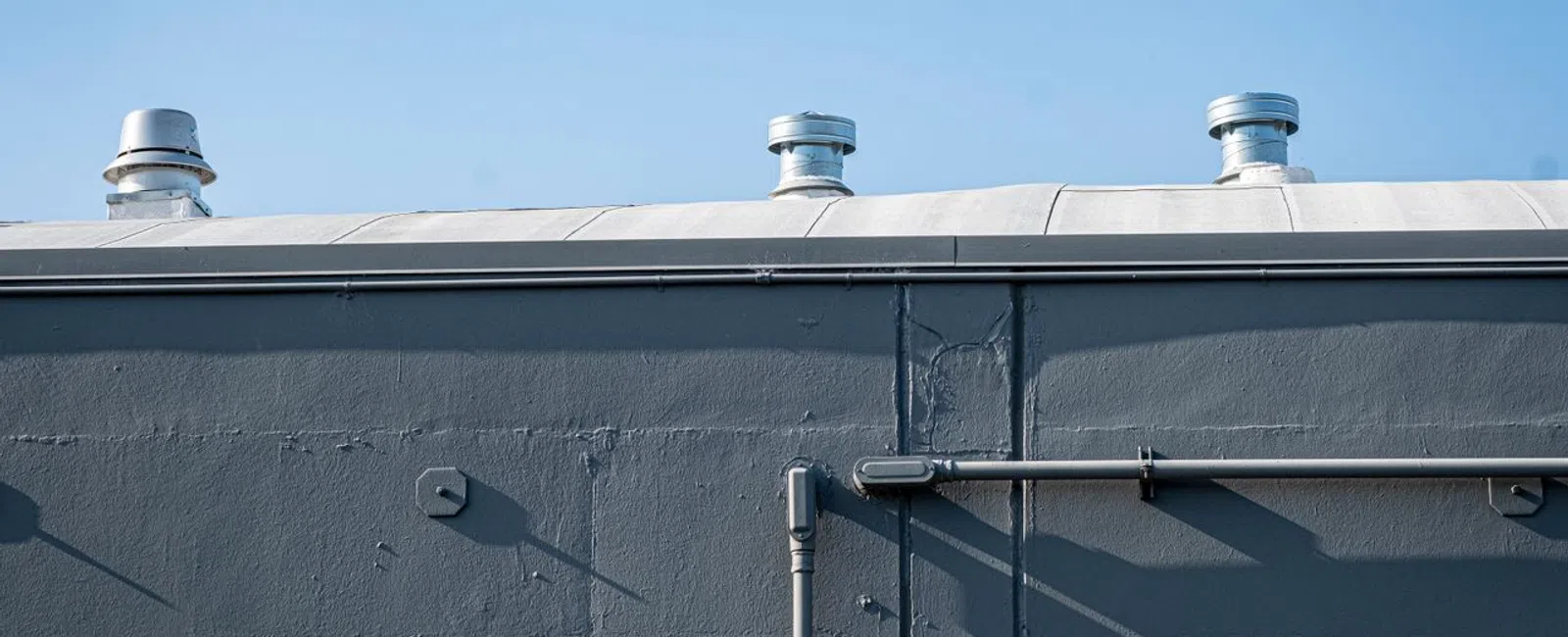
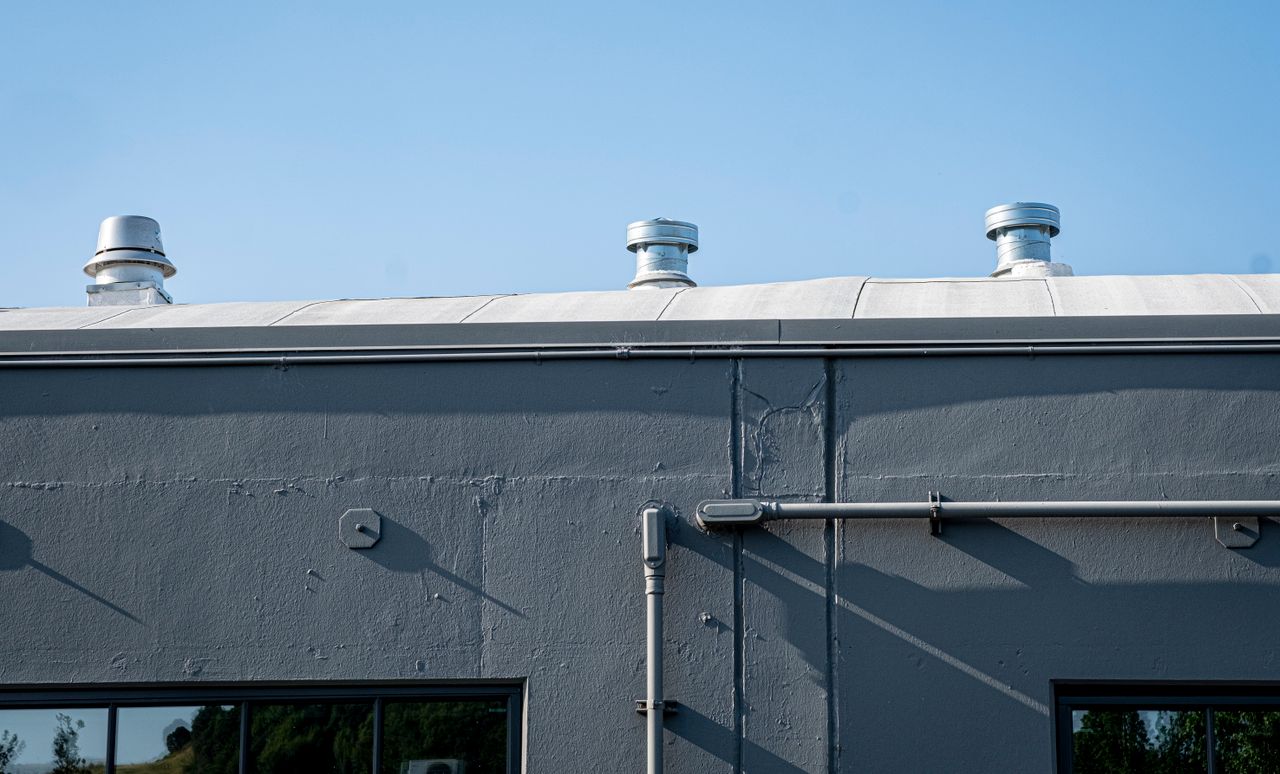
Warehouse and industrial roofs frequently carry substantial rooftop equipment: HVAC units, exhaust systems, skylights for natural lighting, and sometimes solar arrays. Each of these penetrations and structural additions is a potential point of failure if not properly flashed and maintained, and the cumulative weight and foot traffic around them accelerates wear in ways a simpler roof wouldn't experience.
Wind Design Matters More on Large, Open Roofs
Large, flat industrial roofs are more susceptible to wind uplift than smaller, more complex roof shapes, particularly at corners and perimeters where wind pressure concentrates. The National Roofing Contractors Association's wind design guidance outlines how roof systems on large buildings need to be engineered for site-specific wind loads based on building height, location, and exposure, not a generic standard applied across every roof type.
Membrane Systems Built for the Job
- TPO and PVC single-ply membranes are common choices for large industrial roofs, offering good weather resistance and manageable installation across expansive roof areas.
- Reinforced or fleece-backed membranes hold up better in areas with heavy foot traffic from maintenance crews accessing rooftop equipment.
- Proper drainage design becomes especially critical at this scale, since even a small area of inadequate slope can translate into a large volume of ponding water across a big roof.
Why Preventive Maintenance Matters Even More Here
On a facility this size, an undetected leak doesn't just mean a wet ceiling tile. It can mean water reaching stored inventory, equipment, or product, which turns a roofing issue into an operational and financial one fast. A structured maintenance plan, the kind we've written about for commercial properties generally, becomes even more valuable on warehouse and industrial roofs specifically, where the cost of a missed problem scales with the size of the building.
Documentation matters just as much here as it does on any other commercial roof, and arguably more. A large facility with multiple tenants, insurance requirements, or corporate ownership often needs a clear paper trail showing the roof has been consistently maintained, both to protect manufacturer warranties and to satisfy internal risk management or insurance requirements that come with operating a facility of this scale.
Planning a Roof Project Around Your Operations
Warehouse and distribution facilities often can't simply shut down for a roof project the way a smaller commercial space might pause operations. Phased replacement, careful sequencing around active loading dock areas, and scheduling around your busiest operational periods all matter more here than on a typical commercial job. A contractor experienced with industrial-scale projects should be able to walk you through how they'd sequence the work around your specific operation, not just quote a total timeline.
Let's Talk About Your Facility
Industrial and warehouse roofs deserve a level of planning that matches their scale. If you're managing a facility in the metro Atlanta industrial corridor and want an honest assessment of where your roof stands, our commercial roofing services team has experience with large-scale membrane systems and can walk your roof with an eye toward exactly the issues that matter most on a building this size.
Frequently Asked Questions
What roofing material is best for a large warehouse roof in Georgia?
Single-ply membranes like TPO and PVC are common choices for large industrial roofs in our climate, offering good weather resistance, manageable installation across large areas, and strong reflective options for managing heat.
How often should a warehouse roof be inspected compared to a smaller commercial building?
The same general twice-yearly recommendation applies, but larger roofs benefit from more systematic, documented inspection routes given the greater surface area, equipment, and number of penetrations to check.
Can a warehouse roof be replaced without shutting down operations?
In many cases, yes. Phased replacement and careful scheduling around active areas of the facility can allow a roof project to proceed while operations continue, though this requires planning specific to your building and workflow.
🏆 Voted Best Roofing Company — My Woodstock/Canton Area Best of 2026
Tom & Jerry's Roofing is proud to have won the Best Roofing Award in the My Woodstock/Canton Area Best of 2026 awards, a reflection of our commitment to quality craftsmanship and honest service throughout Woodstock, Canton, and the greater Atlanta metro area. Thank you to our community for the trust and support — we're honored to keep serving you with roofs (and service) built to last.