
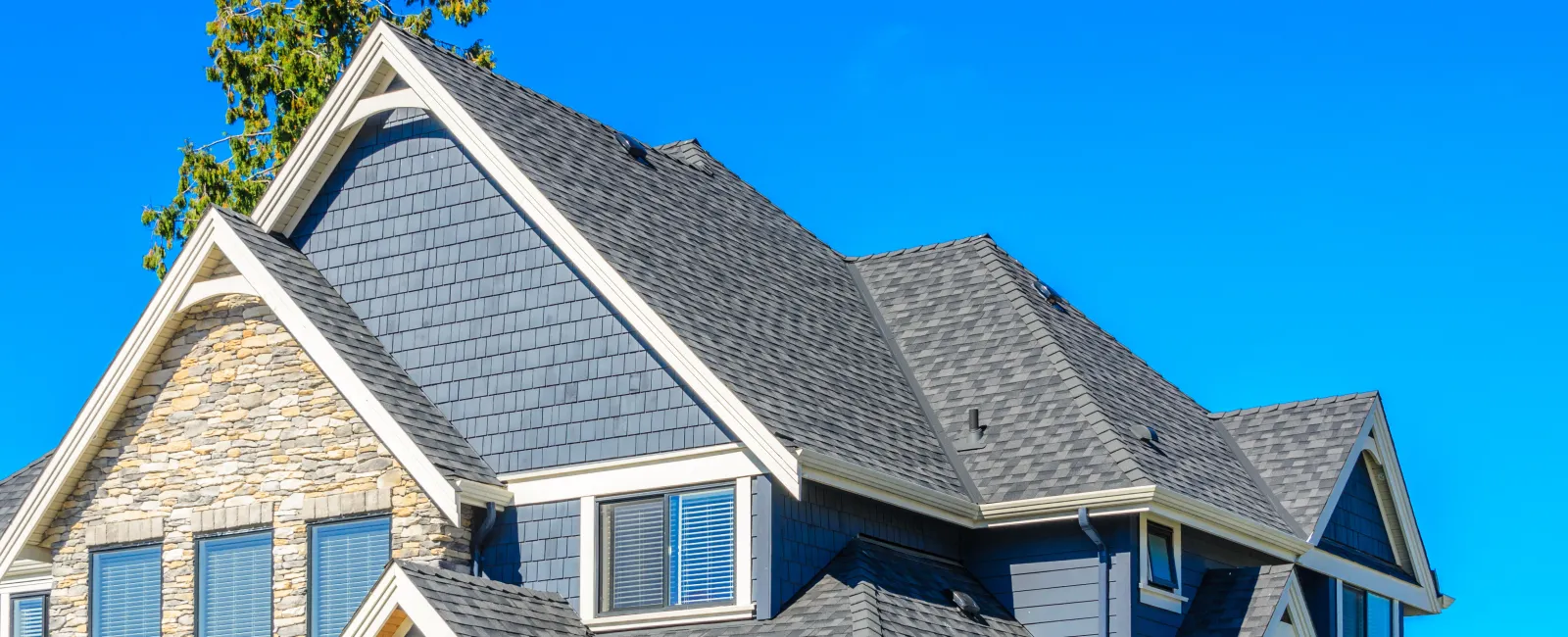
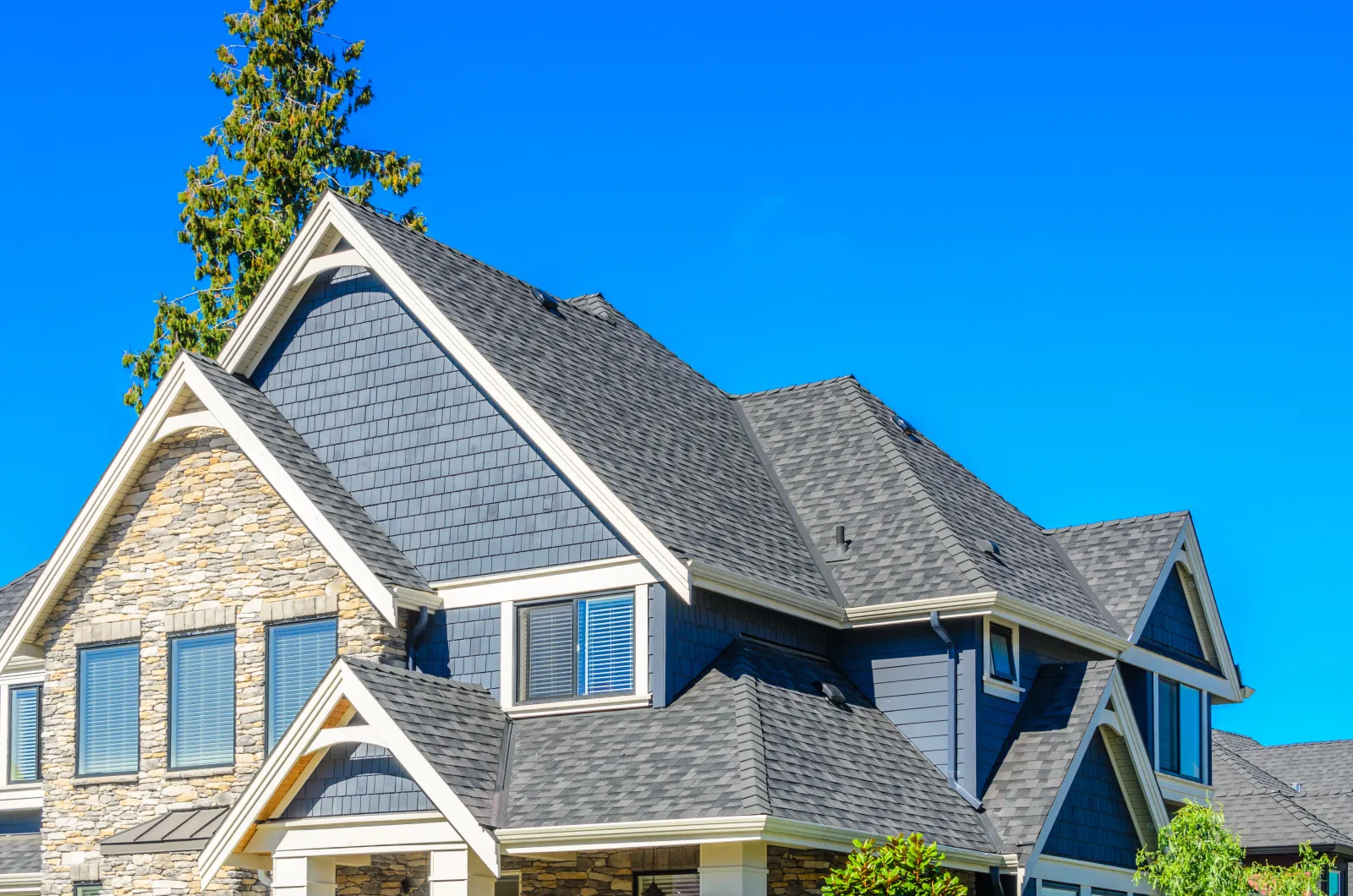
Synthetic roofing materials are becoming more popular in Atlanta neighborhoods with every passing year. They are a common sight throughout the area now, displaying a wide range of unique styles. Synthetic roofing materials could be the right choice to improve longevity, performance, and property value for your home.
What Are Synthetic Roofing Materials?
Synthetic roofing materials encompass a wide range of engineered products using polymer blends, recycled plastics, and composite compounds. They provide alternatives to traditional materials and deliver style without any of the accompanying downsides.
Many synthetic roofing materials are carefully shaped to mimic premium options like cedar shake, slate, and clay tile. The roofing is cast using molds that deliver stunning texture and grain. Precision production ensures curb appeal and predictable performance.
Most synthetic roofing systems are designed to meet the challenging demands of steep-slope residential structures. You'll find plenty of examples of this roof style throughout Atlanta's diverse architecture. These materials are light and suitable for installation just about anywhere.
The many unique styles provide distinctive aesthetics while delivering durability improvements over traditional materials. These diverse materials are perfectly suited to the many different types of roofs throughout Atlanta.
Synthetic roofing materials are also cost-effective, reducing price compared to traditional premium options. They also have exceptional longevity and low maintenance requirements. They are a great choice for both home and business owners.
Why Synthetic Roofing Is Becoming Popular in Atlanta
Atlanta's neighborhoods include a mix of architectural styles from historic to modern. Homeowners want roofing options that enhance the character of their homes without requiring the additional reinforcement or ongoing upkeep associated with some materials.
The local climate is also a major contributor to the growing popularity of synthetic roofing. Atlanta faces high humidity, severe storms, and heavy rainfall. This is extremely tough on wood shake and natural slate. Synthetic materials mimic that appearance while improving durability.
Homeowners seeking to improve the curb appeal of their homes are quick to turn to synthetic roofing materials. They provide a major boost to style without luxury pricing. Visual impact is greatly enhanced without specialized crews and intensive labor.
If you are ready for a roof replacement, one of the most likely recommendations for your home is synthetic roofing materials. The uniform thickness, consistent shape, and reliable fastening patterns allow for effective installation for any type of property. Consistent materials give reliable results for your next roof installation.
The rising popularity of synthetic roofing also stems from its use in many of the higher-end neighborhoods in Atlanta. The unique style these systems offer is being rapidly adopted by trendsetters throughout the region.
Synthetic Roofing Performance in Atlanta Weather
One of the primary considerations when choosing roofing materials in Atlanta is performance under diverse weather conditions. Synthetic roofing materials can provide exceptional impact resistance and leak protection to safeguard your roof.
UV exposure is a major issue during the summer months. UV rays rapidly deteriorate many traditional roof materials. Synthetic roofs incorporate compounds that reduce the impact of UV light, and they also have thermal stabilizers to avoid shifting as temperatures change.
The high humidity in Atlanta makes moss and mildew frequent problems for homeowners. Synthetic roofing materials don't absorb moisture the same way that natural wood shake does, so any biological growth is minimized.
During winter months, freeze-thaw cycles cause roof materials to expand and contract. This leads to cracking, splitting, and other problems. Synthetic materials have exceptional dimensional stability, holding their shape over multiple seasons and years.
This consistent performance also reduces strain on fasteners. Roofs that use synthetic materials stay within controlled ranges of expansion and contraction, ensuring that nails and fastening systems remain secure and avoiding damage to underlayment and decking.
Lightweight and Flexible Roofing Materials
One of the primary benefits of synthetic roofing materials is their lightweight construction. They weigh significantly less than slate and other tile materials. Consequently, homes with synthetic roofing face reduced structural demands. This is particularly beneficial in older homes that may require reinforcement to support premium roofing.
Lighter materials also allow for safer and faster installation. Because they are easier to maneuver when working on steep or complex rooflines, they allow for improved speed and precision of application.
It's also easier to cut and shape synthetic materials to adapt to complex roof structures and intricate details. This provides cleaner edge finishes and more precise detailing around the gables, skylights, and other architectural features common throughout Atlanta.
In some cases, synthetic materials can be installed over existing roof materials. This depends on deck conditions and other factors. In these cases, avoiding the need for tear-off reduces overall labor requirements and installation timelines.
Reduced structural load because of lighter materials also benefits the long-term stability of your roof. Heavy materials put serious stress on rafters and decking, especially in older homes. Going with synthetic materials mitigates that risk.
Sustainable Roofing Practices
Many homeowners choose synthetic roofing materials due to their improved sustainability and environmental impact. These materials often incorporate recycled rubber and plastics, reducing landfill waste and easing demand on raw materials.
The extended durability of synthetic materials further reduces environmental impact by decreasing the frequency of roof replacements. That means less waste going to landfills and a greener lifetime impact for your home.
Synthetic materials can also feature improved reflectivity to reduce the impact of sunlight on your roof. This keeps your home cooler during hot summer months, lowering the energy you use on air conditioning.
Investing in Synthetic Roofing for Your Home
Is synthetic roofing a good investment for your home? These materials typically carry a middle-of-the-road price tag, more expensive than standard materials but significantly more affordable than premium options.
When considering your options, make sure to take into account the extended lifespan. It will be longer before you need a roof replacement, so paying more up front could be well worth it. You can also save on maintenance over the life of your roof with synthetic materials.
You'll be less likely to require ongoing roof repairs when you use synthetic materials. While major storms can still cause damage, your roof will resist impacts from hail and debris and provide continuous leak protection even in the face of temperature swings.
A Wide Range of Design and Style Options
Another key reason why so many Atlanta homeowners are turning to synthetic roof materials is the exceptional range of styles they provide. You'll find countless different colors and profiles, allowing you to achieve the appearance of slate, shake, tile, and other premium roofing materials.
This is an excellent choice in areas that have strict HOA requirements or other restrictions on home styles. You can take advantage of cost-effective options while still ensuring that your home is stunning and suits the overall aesthetic of your neighborhood.
You can also count on synthetic materials to deliver a highly consistent appearance. They present uniform color and texture without the variation seen in natural products. This makes it much easier to make seamless repairs in the future.
Choosing the Best Materials for Your Roof
With synthetic roofing materials, you can achieve the perfect balance of durability, beauty, and practicality. Many Atlanta homeowners have already made that decision and are thrilled with the results. You can find the best choice for your roof materials by reaching out to the team at Tom and Jerry's Roofing.
Synthetic Roofing Material FAQs
How long do synthetic roofing materials last?
Many synthetic roofing systems can last 40 to 50 years or more with proper installation and maintenance. Their durability makes them a long-term investment for Atlanta homeowners.
Are synthetic roofing materials good for Atlanta weather?
Yes. Synthetic roofing materials are designed to handle Atlanta's heavy rain, humidity, UV exposure, and seasonal temperature swings while resisting cracking, moisture absorption, and storm damage.
Do synthetic roofs look like real slate or cedar shake?
Modern synthetic roofing products are manufactured to closely mimic premium materials like slate, cedar shake, and clay tile while offering lighter weight and lower maintenance requirements.
Are synthetic roofing materials more affordable than slate?
In most cases, yes. Synthetic roofing typically costs less than natural slate or cedar while still providing a similar high-end appearance and strong performance.
Can synthetic roofing improve home value?
A professionally installed synthetic roof can improve curb appeal, increase durability, and make a home more attractive to potential buyers, especially in competitive Atlanta neighborhoods.
Is synthetic roofing environmentally friendly?
Many synthetic roofing materials are made using recycled plastics and rubber. Their long lifespan also helps reduce landfill waste from frequent roof replacements.