
While many other states see harsher winters, Georgia's climate poses unique challenges for Atlanta homeowners. Frequent freeze-thaw cycles put stress on asphalt shingles and other important components of your roof. Understanding how these patterns affect your roof will help you plan ahead to avoid winter damage.
FAQ: How Freeze-Thaw Cycles Affect Asphalt Shingles in Atlanta
Why do Atlanta's freeze-thaw cycles damage asphalt shingles?
Atlanta winters bring warm afternoons and freezing nights, causing shingles to rapidly expand and contract. Over time, this cycling creates micro-cracks, weakens adhesives, and accelerates overall shingle wear.
How does freezing water impact my roof?
Water can seep between shingles and fasteners. When it freezes, it expands and widens cracks, loosens granules, and increases the risk of leaks and long-term structural damage.
What are the signs of freeze-thaw roof damage?
Common signs include cracked shingles, curling edges, missing granules, lifted nails, soft spots in decking, and shingles blowing off during storms. Many issues start small and require a professional inspection to detect.
Can freeze-thaw cycles cause granule loss?
Yes. Temperature swings loosen protective granules, leaving shingles exposed to UV damage. This speeds up aging, dries out asphalt binders, and increases brittleness.
How does attic ventilation help prevent winter roof damage?
Proper ventilation stabilizes roof temperatures, reduces moisture buildup, and prevents uneven melting and refreezing on the roof surface. This minimizes curling, cracking, and ice-related stress.
What can homeowners do to protect their roofs during winter?
Schedule seasonal inspections, clear gutters and debris, ensure proper attic ventilation, maintain insulation, and choose high-quality shingles. Addressing small issues early helps prevent costly winter damage.
Atlanta's Challenging Winter Climate
Atlanta winters have relatively warm afternoons, but temperatures can drop below freezing at night. The constant temperature swings cause rapid contraction, which poses real problems for shingle roof systems.
When shingles experience ongoing temperature cycling without enough recovery time, this stress adds up to impact materials, accelerating cracking and adhesive weakening. You might not notice any damage from the ground, but winter weather causes steady wear.
Even brief freeze windows can have a lasting impact. This is made worse by rain, which can leave small amounts of water between shingles and fasteners. Water expands as it freezes, potentially damaging your roof and compromising shingle integrity over time.
How Freeze-Thaw Cycles Affect Shingle Materials
Asphalt shingles are made of a fiberglass mat held together with an asphalt binder. They also have protective granules applied to surfaces. Freeze-thaw cycles stiffen the asphalt, making it more vulnerable to fractures and less resilient under loads.
Micro-cracks can form, which allow for moisture infiltration. When water works its way into shingle surfaces and freezes into ice, it greatly increases internal stress. This widens any imperfections, with defects accumulating every winter to weaken your roof.
Asphalt becomes brittle in cold weather, losing its flexibility. This makes it easier for any damage to escalate. Older roofs are particularly vulnerable to this effect, with shingles becoming increasingly fragile as the roof ages.
The Risk of Granule Loss
Granules play a key role in protecting shingles, reducing the impact of ultraviolet light. The expansion and contraction caused by freeze-thaw cycles lead to the granules becoming loose. This makes them more likely to wash off when it rains.
Without protective granules, more of the asphalt surface is exposed. This leads it to oxidize more quickly under sunlight. The process dries out the binder and makes shingles more brittle, further accelerating cracks under later freezing.
Missing granules also increases thermal cycling during summer, as the shingles heat less evenly. Your roof will face year-round stress and cracks as both winter and summer lead to extreme expansion and contraction.
Cracked and Curled Shingles
Freeze-thaw cycles put intense internal stresses on asphalt shingles that can exceed their flexibility. This leads to small cracks that get progressively worse. This cracking contributes to curling as shingles age.
The edges of shingles are more susceptible to temperature changes than the top. This uneven heat distribution leads to the edges rising and curling. With curled shingles, the underlayment is more vulnerable to water intrusion when it rains.
Wind uplift is a major threat to roofs in Atlanta, and curling makes it much worse. Major storms and strong gusts can easily take hold of the curled shingle edges. This can tear off large patches of your roof, leaving you in need of emergency roof repair.
Impact on Decking and Underlayment
You have more to worry about than just the shingles themselves. Freeze-thaw cycles also impact the layers beneath them. Weakened shingles let water penetrate through and pool on the underlayment. There, it can freeze and cause major damage.
Decking materials such as plywood or OSB absorb moisture easily, which is why shingles are so vital. Water working its way into these materials leads to soft spots, warping, and delamination over time.
Fasteners are also at risk. Materials expanding and contracting cause nails to shift, potentially working their way upward. They can potentially puncture shingles, leading to even more water intrusion.
How Ice Can Affect Your Roof
While most of these issues are caused by materials expanding and contracting, there is
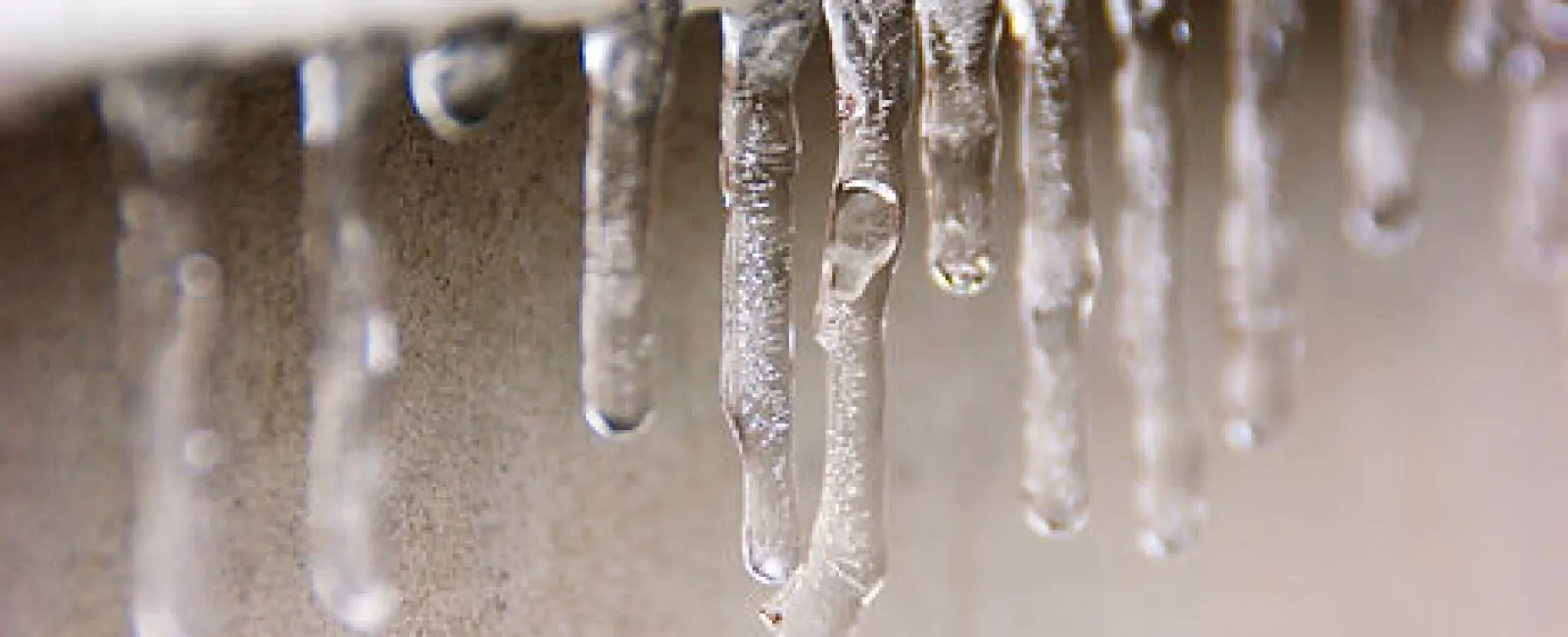
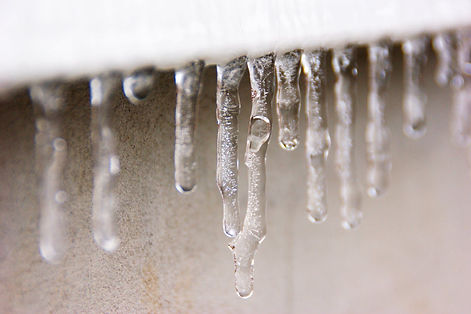
also the direct threat posed by ice. Consecutive cold nights can lead to ice sheets forming at eaves, blocking drainage and causing meltwater to back up underneath shingles.
The layout of your roof also affects ice formation. North-facing slopes and any shaded valleys accumulate ice even during brief freezing periods. This localized ice can push into seams and nails, worsening any potential weaknesses.
Even minor ice accumulation can damage shingles. Pressure from ice introduces stress across overlapping shingles. This encourages separation and reduces holding power, increasing the risk of shingles being blown off by the wind.
Why Proper Attic Ventilation Is Essential
One of the best things you can do to prevent winter damage to your roof is to have proper attic ventilation. Without attic ventilation, warm air accumulates in the attic, causing an uneven distribution between the roof interior and exterior.
Warm spots on your roof allow for repeated melting and freezing of any ice or snow. The temperature gradient also further encourages shingle curling. Proper ventilation regulates temperature and humidity, protecting the roof deck and shingles from damage.
Your attic requires adequate intake and exhaust ventilation to stabilize roof temperatures. Balanced airflow also reduces moisture buildup and condensation, keeping water from seeping into materials and potentially freezing later on.
Insulating Your Home to Prevent Damage
Attic insulation also plays a key role in protecting your roof from winter damage. Isolating your living area from your attic using proper insulation keeps the interior and exterior of your roof at similar temperatures, avoiding potential issues.
The thermal stability limits the frequency and severity of temperature shifts. Your roof materials will experience less stress and won't be as vulnerable to cracking, curling, and warping.
Your attic insulation also helps prevent moisture issues. Warm indoor air meeting cold attic surfaces causes water droplets to form, which can contribute to mold, rot, and other problems. Having the right attic insulation helps preserve your attic and roof by controlling humidity and preventing condensation.
Choosing Quality Roofing Materials
Another way to protect your roof from winter weather is to choose high-quality materials and professional installation from the start. Proper shingle placement and adherence to manufacturer specifications ensure your shingles provide a strong barrier against moisture.
Modern laminated shingles greatly improve performance over older 3-tab shingles. Multi-layer construction enhances flexibility and reduces cracking risk. Superior adhesion keeps your shingles in better shape through freeze-thaw cycles.
The timing of installation also matters. It's best to avoid installing shingles in cold, damp conditions when possible. This helps prevent moisture intrusion from the start, improving performance once winter cold snaps arrive.
Keeping Up With Seasonal Maintenance
Keeping up with routine roof inspections will ensure that any potential signs of damage due to freezing and thawing can be spotted earlier. Addressing cracking and curling shingles before they lead to moisture intrusion avoids higher repair costs later on.
Cleaning gutters and clearing debris on your roof is also essential. This helps stop water from pooling and freezing. Blocked drainage greatly increases the risk of water intrusion, especially during winter months when standing water can freeze and form ice dams.
Prepare Your Roof for Atlanta's Winter Weather
Atlanta winters can cause serious damage to your roof if you don't keep up with proper maintenance. Freeze-thaw cycles create ongoing stress that impacts asphalt shingles and other roofing materials. You can schedule an inspection from Tom and Jerry's roofing to find the best solution to safeguard your roof.