
Atlanta's weather causes more than its fair share of problems for homeowners. From hot summer days to brutal storms, your property faces challenges year-round. Understanding these conditions and how they affect your roof is essential to making proactive decisions that protect your roof at all times.
We'll start with a quick rundown of some of the most common questions related to the effects of Atlanta weather on your roof, and then we'll get into the details.
FAQ
What does the heat do to shingles?
High Georgia temperatures can cause shingles to curl, crack, and wear out faster. Over time, UV rays break down roofing materials, making them less effective.
Can humidity damage my roof?
Yes, high humidity often causes moisture buildup. Poor ventilation in your attic can trap this moisture, leading to mold growth and wood rot. It's important to have proper airflow in your attic to prevent costly damage.
How can I keep my roof cool?
Reducing thermal stress is a game-changer for roof longevity. Here's how:
Choose UV-reflective materials: They reduce heat absorption.
Ensure proper ventilation: Balanced airflow keeps your attic cool.
How does heavy rain affect roofs?
Rain-related issues often stem from damage or weaknesses in your roof:
Leaks through cracked shingles, flashing, or sealants.
Overflowing gutters due to clogs, leading to pooling near your roof.
Should I prepare before a downpour?
Definitely. Here's what to do:
Clean gutters: Prevent blockages that cause water backups.
Inspect flashing: Look for cracks or gaps near chimneys, vents, or skylights that might allow leaks.
Are there specific roofing materials for storm protection?
Yes! Consider these options:
Impact-resistant shingles: They help prevent damage from hail and debris.
Waterproof underlayment: Protects decking against leaks, even in heavy rain.
Storm-treated coatings: Adds durability for areas prone to high winds.
Does insulation matter for my roof?
Absolutely. Proper insulation:
Helps regulate attic temperature.
Reduces condensation, which can lead to wood rot.
Is regular maintenance necessary?
Yes. Regular inspections allow you to:
Spot small issues before they worsen, like lifted shingles or cracked flashing.
Prepare your roof for harsh seasons, such as summer heat or winter cold.
How often should I inspect my roof?
Twice a year works well for most homeowners:
Spring (before summer heat sets in)
Fall (before winter weather arrives)
Why hire a professional roofer?
Experienced contractors understand Atlanta's unique climate and can recommend the best materials and solutions for long-term durability.
Look for a company with expertise in:
Installing UV- and storm-resistant materials.
Assessing and improving ventilation and insulation.
Providing thorough inspections and quick repairs.
How Hot, Humid Summers Affect Your Roof
Arguably, two of the biggest threats to your roof posed by the Atlanta climate are the heat and humidity that summer brings.
The intense warmth can break down shingles, causing them to curl and crack faster than in other climates, and the oppressive humidity can lead to major moisture issues in your attic space. If your attic has poor airflow, then that moisture can condense on your rafters and decking, providing perfect conditions for mold growth and rot.
Hot summer air trapped in your attic also leads to your home being more expensive to cool. A poorly ventilated attic can reach staggeringly high temperatures, running up your AC costs while also putting additional stress on your roof's materials.
Reducing thermal stress on your roof, therefore, is key to helping it (and yourself) through the toughest of Atlanta's summers. Balanced ventilation is key, but you can also consider choosing UV-reflective roofing materials to handle the worst that summer has to offer.
Heavy Rain and Moisture Intrusion
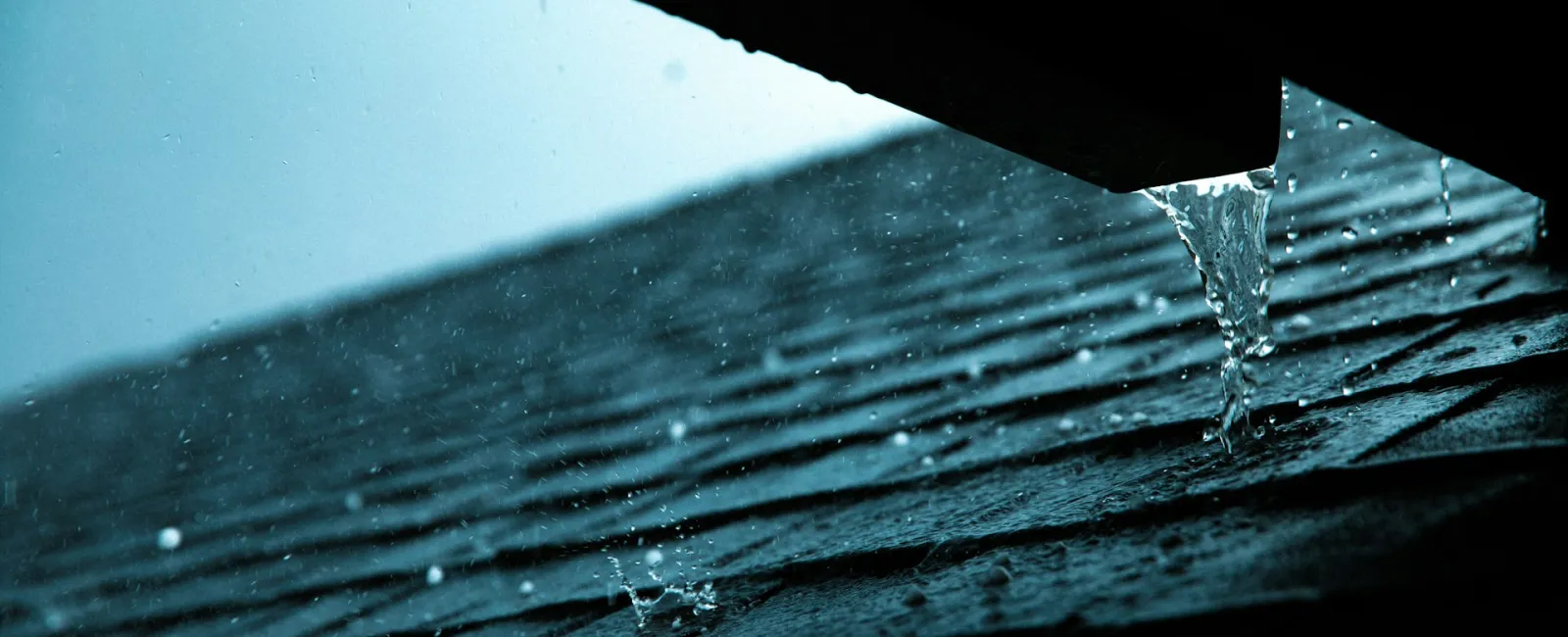
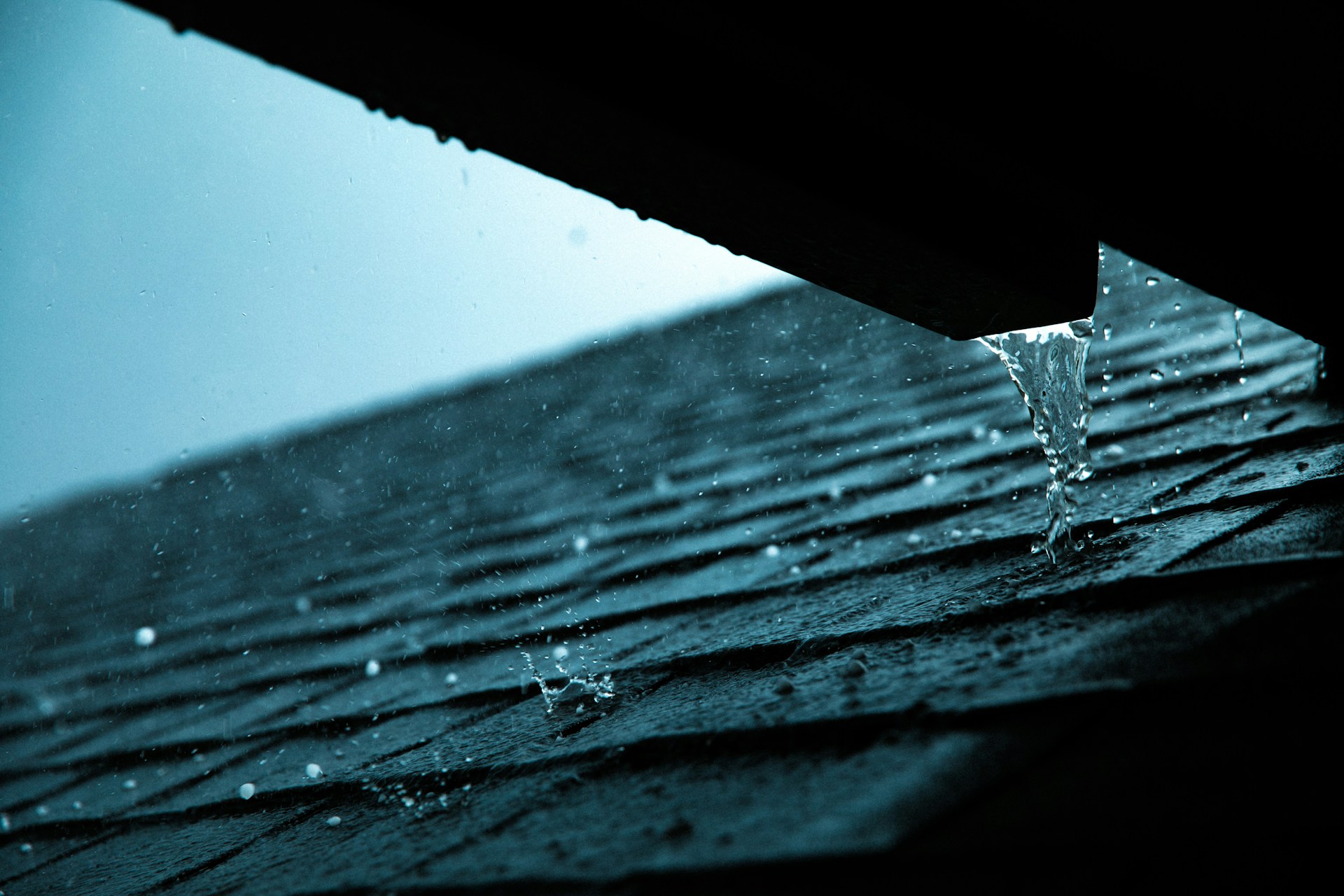
Atlanta homeowners also face plenty of rain, and though a well-maintained roof does a great job of standing up to it, any damage can still lead to water working its way in.
Heavy rain, in particular, is more likely to penetrate through the shingles and underlayment that protect your roof. It also poses a threat to any potential weaknesses in flashing and sealants around chimneys, vents, skylights, and other fixtures. Even small cracks and gaps can let water leak into your roof and increase the risk of mold and rot.
Your gutters can also quickly become overwhelmed, even if you keep them well cleaned. Any major rainfall can lead to overflows when even a small blockage is present, and that pooling greatly increases your risk of roof leaks. As such, if there are downpours in the forecast, take the time to clear any debris from gutters in advance and look for any damaged flashing that could let water into your roof.
Major Damage From Violent Storms
Hurricane season can leave major damage to Atlanta homes in its wake. Even in moderate storms, high winds can lift off shingles and ridge caps, leaving gaps where water can infiltrate your roof with ease.
Your roof could even be damaged if it looks fine after a storm. Loose shingles are hard to spot from the ground, but they still compromise your roof's ability to keep water out. Any impacts from branches or other debris can also cause unseen punctures and damage that lead to roof leaks.
With that in mind, a roof inspection is a great call after a major storm, and prompt repairs for any damaged shingles or other damage will help prevent costly water damage.
The Everyday Impact of Temperature Swings
It isn't just major weather events that impact roofs in Atlanta; the local climate is synonymous with warm afternoons and cool nights during transitional seasons, and that means constant temperature fluctuations. These place a lot of stress on your roofing materials, as they'll expand and contract with the changing temperatures every day.
Asphalt shingles are particularly susceptible to thermal cracking under these conditions. Flashing and sealants can also warp and create gaps that let moisture intrude into your roof.
These problems get even worse as your roof ages. Over time, asphalt shingles lose granules, leaving behind bald spots that reduce their ability to dissipate heat. That, in turn, can quickly lead to curling and cracking, compromising the integrity of your shingles.
Even metal roofing can face issues due to temperature fluctuations. While the materials used hold up well against expansion and contraction, issues at joints can still arise if your roofing becomes worn or wasn't installed properly in the first place.
Choose the Right Materials for Your Roof
The best thing you can do to protect your roof against Atlanta's roughest weather conditions is to ensure that you get the right materials from the start. Working with a local roofer who has experience with the regional climate ensures that your roof is built with all of the above challenges in mind.
Enhanced materials, such as architectural shingles, can offer a thicker surface and more durable protection against wind and other threats. Impact-resistant shingles are another option to prevent long-term damage from storms, and a waterproof underlayment underneath shingles is essential to protect against leaks. It will safeguard your roof decking against long-term moisture damage even in the face of torrential downpours.
And finally, when the time comes for your next roof replacement, make sure to ask about storm-treated materials and UV-protective coatings.
The Importance of Ventilation and Insulation
As you work to maintain your roofing in Atlanta weather, one of the best things you can do is ensure proper ventilation. Consistent airflow is crucial to prevent excess heat and moisture from accumulating in your attic. Stagnant air leads to damage to shingles and potential water damage to your roof.
A newer roof will incorporate effective ventilation to meet these challenges, but older homes might not have been built to those standards. Having professionals take a look to ensure that your ventilation is adequate and effective can save you a lot of trouble in the long run.
You should also make sure that your attic has sufficient insulation, as it will help reduce both your cooling and heating costs. During the summer months, it is outright essential to regulate the temperature of your attic and prevent temperature gradients that cause condensation.
Checking on your attic from time to time to verify that there aren't any excessive heat or moisture issues developing is a good idea. If there is any kind of issue with your ventilation, reach out to have professionals take a closer look.
Ensure Routine Maintenance for Your Roof
Given all of the concerns that Atlanta's weather gives rise to, you can't afford to overlook roof maintenance. Even high-quality materials require upkeep, and a professional roofer can address weather-related issues before they get out of hand and spot signs of damage you may have overlooked, from lifted shingles to cracked flashing.
Many homeowners should aim to schedule at least two roof inspections each year, once before the summer starts and once more before winter. These will ensure that your roof is ready for the harshest challenges, along with tackling any potential damage in a timely manner.
Nevertheless, you should make roof maintenance from a trusted local professional a part of your ongoing routine. Doing so is the best way to safeguard your roof against the harshest of conditions Atlanta has to throw at you.
Professional Roofing Services in Atlanta
Atlanta's weather can take a heavy toll on your roof, but there are steps you can take to prepare. Getting a quality roof in the first place, alongside proper insulation and ventilation, and keeping up with inspections, will help defend against the harsh climate. Contact the team at Tom and Jerry's Roofing today for repairs, maintenance, and more.